What psychological principles drive gambling behaviors?
The Role of Reinforcement in Gambling
Reinforcement is a core principle in understanding gambling behaviors. It stems from behavioral psychology and explains how certain actions are encouraged through rewards. In gambling, intermittent reinforcement plays a significant role. This means that when players online pokies win unpredictably, it creates a stronger response compared to regular reinforcement that occurs in more predictable scenarios. The thrill of winning, combined with the uncertainty of the next outcome, keeps people engaged and returning for more.
This psychological principle is particularly evident in games of chance, such as online pokies, where the occasional big win can create an emotional high. Players often remember the significant wins more vividly than the losses, which reinforces the behavior and encourages them to continue playing. This can lead to a cycle of gambling where individuals chase the high of their last big win.
The Illusion of Control
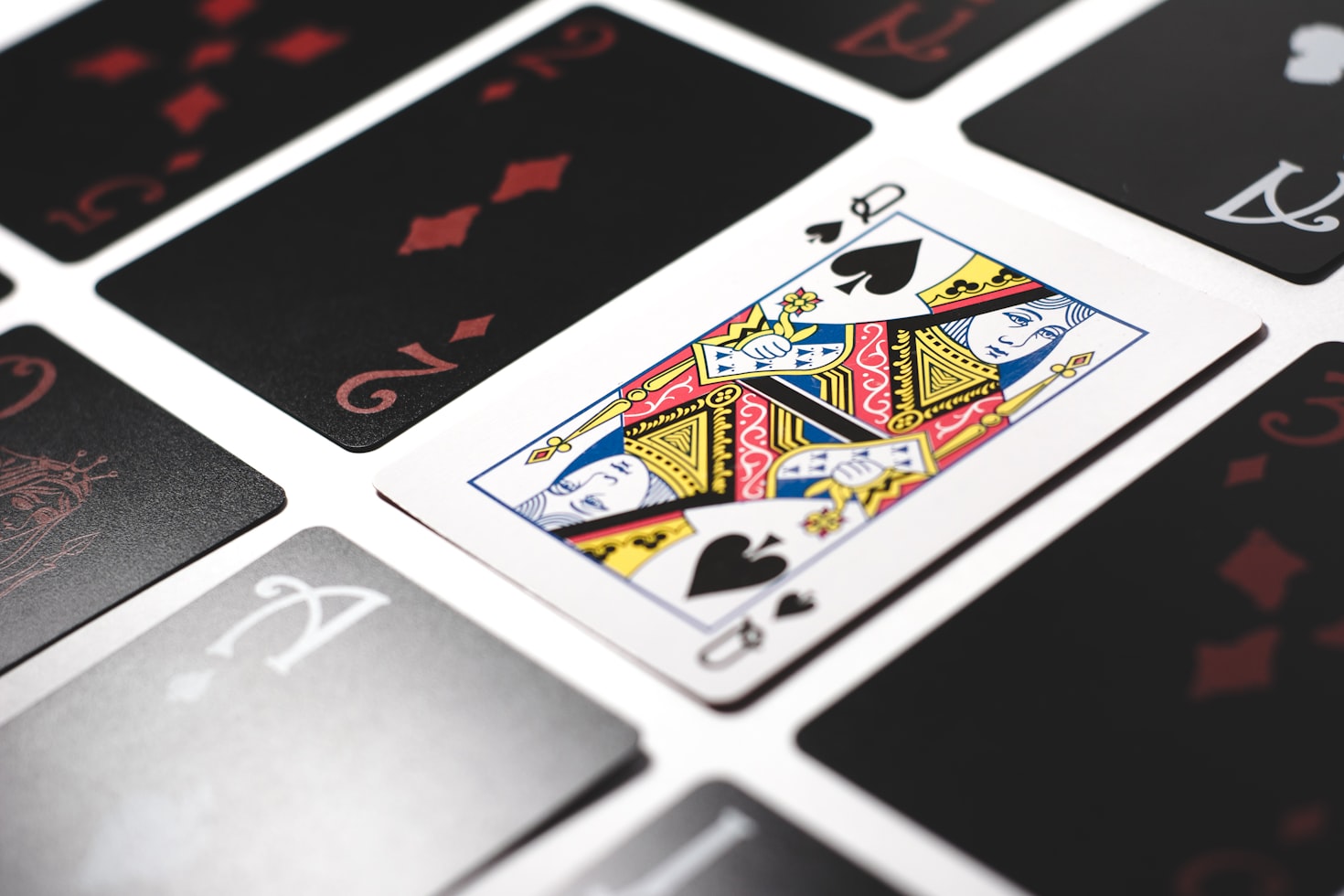
The illusion of control is another psychological principle that significantly influences gambling behavior. This phenomenon occurs when individuals believe they can control or influence outcomes in games of chance. This is particularly evident in skill-based games like poker, where players believe their decisions will impact the outcome. In reality, many elements are out of their control, yet the belief can be powerful enough to encourage more frequent gambling.
The Impact of Social Proof
Social proof is the psychological tendency to look to others for guidance on how to behave in uncertain situations. In the context of gambling, this phenomenon can manifest in various ways, such as observing friends and peers engaging in gambling activities. When individuals see others having fun or enjoying significant wins, they may feel compelled to join in, believing that they will experience similar outcomes.

This social influence can escalate the activity, especially in group settings like casinos or online gaming platforms. The environment plays a crucial role in fostering a sense of community and connection among gamblers, which can further perpetuate engagement. Recognizing the influence of social proof can help individuals understand the external factors driving their gambling behaviors.
The Role of Cognitive Biases
Cognitive biases significantly affect how gamblers perceive risk and reward. Two common biases in gambling are the gambler’s fallacy and the confirmation bias. The gambler’s fallacy leads individuals to believe that past events will influence future outcomes, such as thinking that after a series of losses, a win is due. This flawed reasoning can lead to irresponsible betting and increased losses.
Additionally, confirmation bias encourages players to focus on information that supports their beliefs while ignoring evidence to the contrary. This bias can encourage gamblers to remember their wins more than their losses, enhancing the thrill and belief in their luck. Understanding these cognitive biases can help individuals make more informed decisions regarding gambling and improve their ability to resist the urge to gamble excessively.
Conclusion: Exploring More on Gambling Psychology
Understanding the psychological principles that drive gambling behaviors provides valuable insights into why people engage in this activity. By exploring concepts like reinforcement, illusion of control, social proof, and cognitive biases, it becomes clear how powerful these influences can be. This knowledge is instrumental not just for individual gamblers but also for those working in prevention and treatment, ensuring safer gambling practices.
If you’re interested in delving deeper into these concepts or exploring resources for responsible gaming, visit our website, where you can find more information on gambling behaviors and strategies for safe play. Understanding these psychological elements can help create a healthier relationship with gambling.